
The U.S. Department of Education’s new App for filing the Free Application for Federal Student Aid (FAFSA) makes the tortuous process easier, even fun.
The only thing clunky about the new App is its name and curious capitalization, myStudentAid. The App itself is easy to use and well designed.
The FAFSA App is available on both Apple (iOs) and Android devices. The full version, which will be released on October 1, 2018 for the 2019-2020 FAFSA, will include the IRS Data Retrieval Tool. It will also include the renewal FAFSA for applicants who have submitted the FAFSA in previous years. The ability to view a SAR and make corrections to a previously submitted FAFSA, however, will not be immediately available on the FAFSA App.
The main flaw is the FAFSA App is a little sluggish at times. The slow display of graphics and text on the interstitial screens causes delays until you realize you have to click on the Next button.
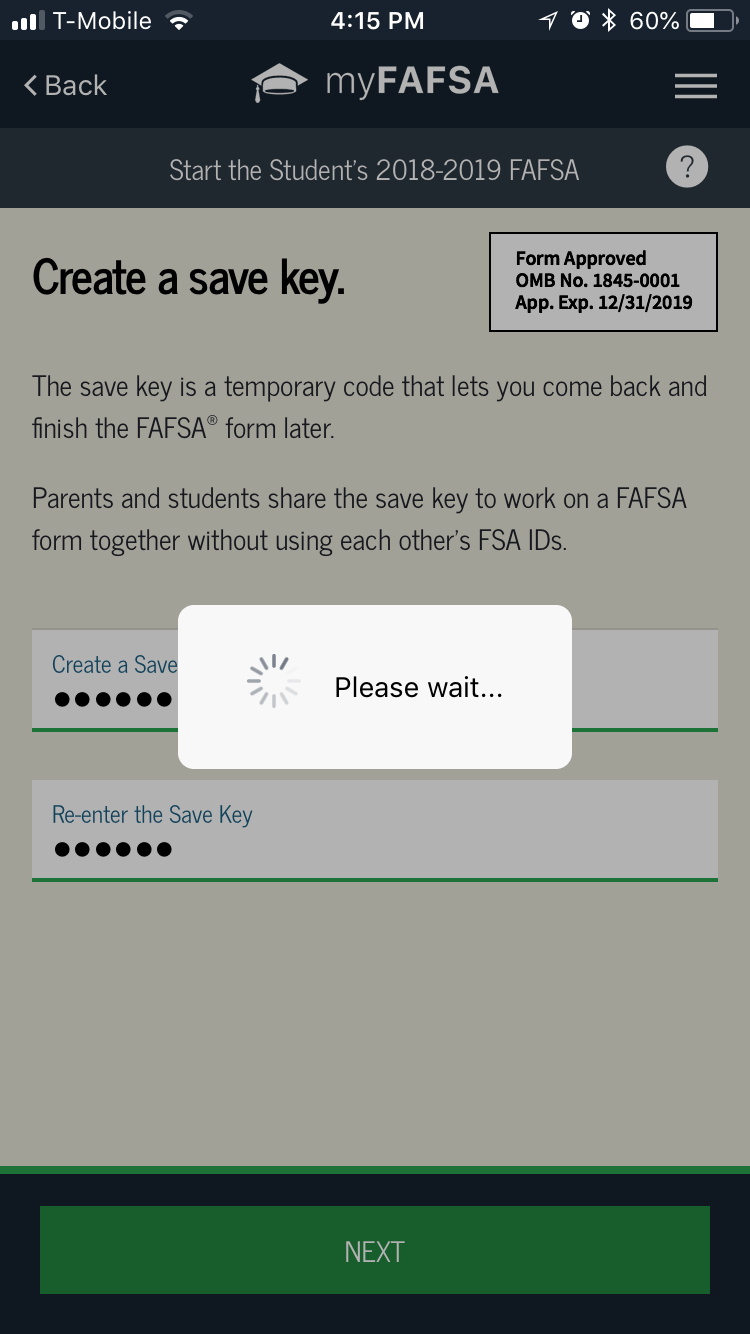
Also, don’t click on the Start Over button, or it will reset the form and erase all of the information you have entered on the form.
Of course, the FAFSA App doesn’t do anything about the length of the form itself. The FAFSA still has more than 100 questions, more than on the federal income tax return. Fixing that problem will require an Act of Congress. But, at least with the new FAFSA App, the form is easier to complete and more accessible to students.
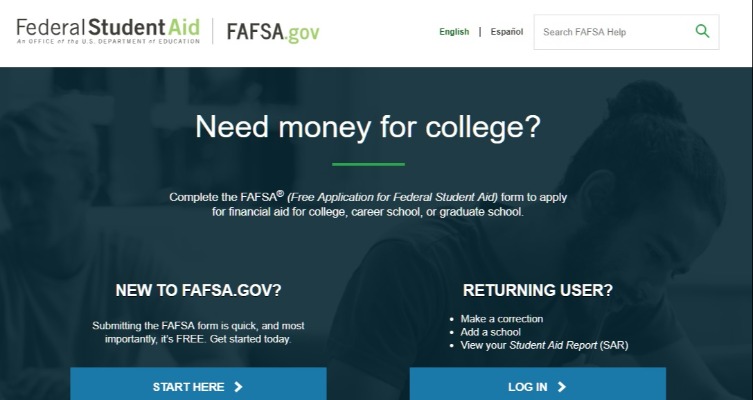
The U.S. Department of Education also updated the online form at fafsa.ed.gov with a “responsive” user interfaces. The new online FAFSA automatically resizes to fit the different size screens on desktop, tablet and smartphone devices. This is not as simple as scaling the interface up or down. Responsive user interfaces must make sure that font sizes remain readable and that there is enough space between clickable elements.
Mark Kantrowitz is a nationally-recognized expert on student financial aid, scholarships and student loans. His mission is to deliver practical information, advice and tools to students and their families so they can make informed decisions about planning and paying for college.
Mark writes extensively about student financial aid policy. He has testified before Congress and federal/state agencies about student aid on several occasions.
Mark has been quoted in more than 10,000 newspaper and magazine articles. He has written for the New York Times, Wall Street Journal, Washington Post, Reuters, Huffington Post, U.S. News & World Report, Money Magazine, Bottom Line/Personal, Forbes, Newsweek and Time Magazine. He was named a Money Hero by Money Magazine. He is the author of five bestselling books about scholarships and financial aid, including How to Appeal for More College Financial Aid, Twisdoms about Paying for College, Filing the FAFSA and Secrets to Winning a Scholarship.
Mark serves on the editorial board of the Journal of Student Financial Aid and the editorial advisory board of Bottom Line/Personal (a Boardroom, Inc. publication). He is also a member of the board of trustees of the Center for Excellence in Education. Mark previously served as a member of the board of directors of the National Scholarship Providers Association.
Mark is currently Publisher of PrivateStudentLoans.guru, a web site that provides students with smart borrowing tips about private student loans. Mark has served previously as publisher of the Cappex.com, Edvisors, Fastweb and FinAid web sites. He has previously been employed at Just Research, the MIT Artificial Intelligence Laboratory, Bitstream Inc. and the Planning Research Corporation.
Mark is President of Cerebly, Inc. (formerly MK Consulting, Inc.), a consulting firm focused on computer science, artificial intelligence, and statistical and policy analysis.
Mark is ABD on a PhD in computer science from Carnegie Mellon University (CMU). He has Bachelor of Science degrees in mathematics and philosophy from MIT and a Master of Science degree in computer science from CMU. He is also an alumnus of the Research Science Institute program established by Admiral H. G. Rickover.
The latest articles and tips to help parents stay on track with saving and paying for college, delivered to your inbox every week.
Thank you! You have been successfully subscribed to our email list.
Frequently featured in:
Saving For College is an unbiased, independent resource for parents and financial professionals, providing them with information and tools to understand the benefits of 529 college savings plans and how to meet the challenge of increasing college costs.